General information from public guidance and local sources. Inspections are performed by independent contractors.How these guides are researched
Short answer: mold behind walls is found by locating wet materials first, with moisture meters and thermal imaging, then confirming with an air sample taken inside the wall cavity. Opening the wall is the remediator's job, done under containment, after the source and extent are known.
What causes mold inside walls
- Plumbing leaks: shower valves, tub drains, supply lines to toilets and sinks, and the washing machine box. A drip inside a wall can run for a year before it shows.
- Shower and tub surrounds: failed grout, caulk or a tile backer that was never waterproofed.
- Windows and doors: missing or failed flashing lets rain and sprinkler water into the wall below.
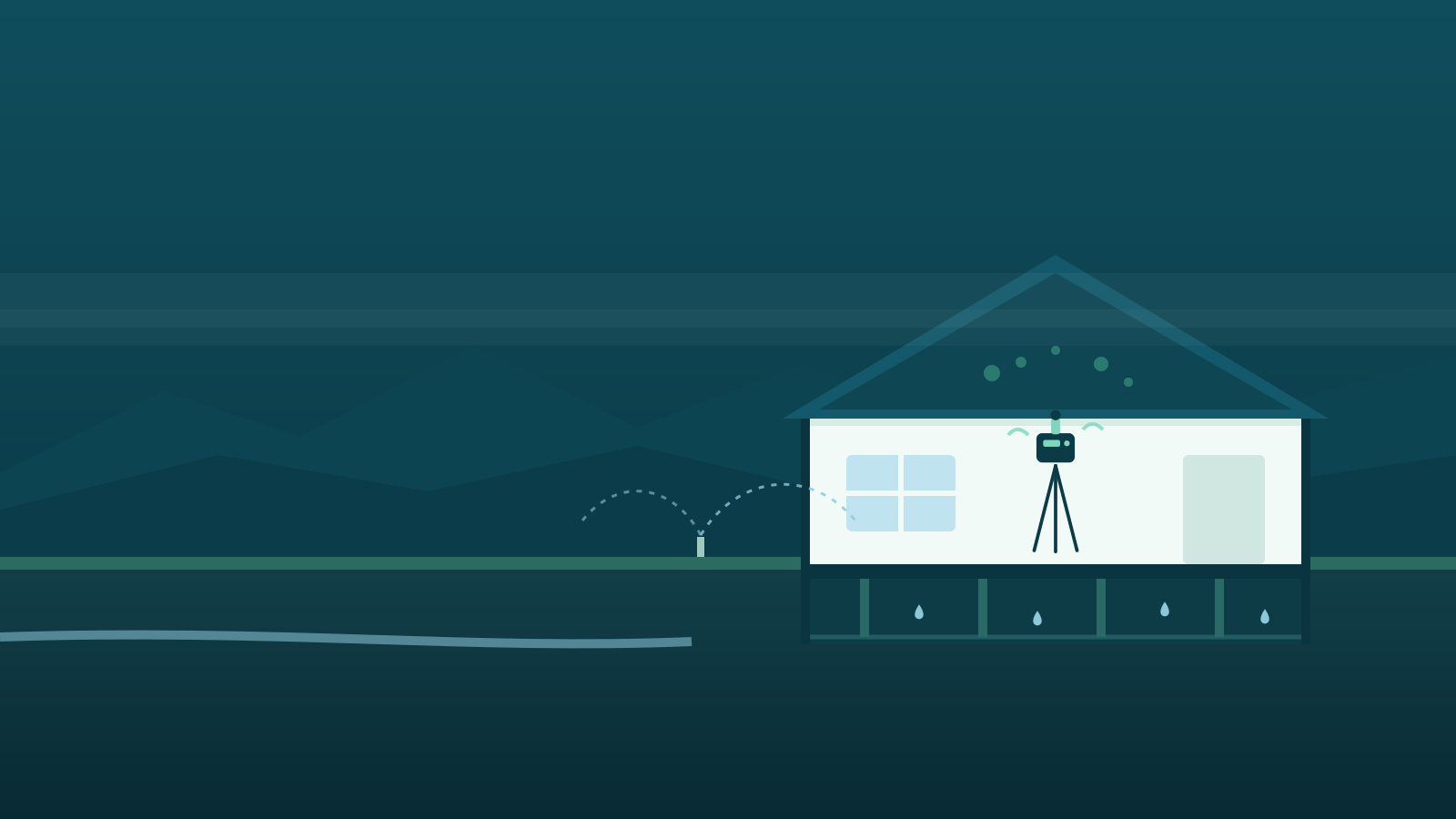
- Sprinklers hitting siding: very common in Nampa yards, where heads spray the same stretch of wall every day all summer.
- Frozen pipes: a split line in an exterior wall during a January cold snap. See the frozen pipe mold timeline.
- Condensation: on cold exterior walls behind furniture and in closets, and around poorly insulated corners.
- Water heaters and appliances: slow leaks at the base wick up drywall.
Signs of mold behind a wall
- A musty smell in one room or close to one wall
- Stains, discoloration or a damp shadow on paint or drywall
- Bubbling, peeling or cracking paint, or wallpaper lifting at the seams
- Swollen, soft or stained baseboards and trim
- Drywall that feels soft or crumbles when pressed
- Higher water bills with no other explanation
Any of these on its own isn't proof of Mold Behind Walls Nampa, ID. Several together, near a plumbing wall or an exterior wall hit by sprinklers, is worth checking.
How the inspector finds mold behind walls without demolition
- Moisture mapping: pinless meters scan the wall, pin meters confirm readings in drywall and baseboards.
- Thermal imaging: wet drywall often shows as cooler. A good inspector confirms every thermal finding with a meter.
- Look at both sides: the plumbing wall from the other room, the exterior siding, flashing and sprinkler heads, and the crawlspace below.
- Wall-cavity air sample: a small hole lets the inspector sample the air inside the cavity and compare it with the room and outdoors.
- Written scope: where to open, roughly how much, and what has to be fixed first.
Most calls about Mold Behind Walls in Nampa, ID come after a leak was found and fixed but the smell stayed. That usually means the cavity never dried. Learn more about hidden mold detection.
What to do if you suspect mold in a wall
- Stop the water. Shut off the supply line or turn off the sprinkler zone hitting that wall.
- Don't cut into the wall yourself if you think there's significant growth. Opening it without containment spreads spores through the house.
- Get it documented before repairs if insurance may be involved. Photos, dates and moisture readings matter. See mold testing for insurance claims.
- Get a scope, then bids. A written scope means every remediation bid covers the same work.
- Clearance test before the wall is closed back up.
Mold Behind Walls Nampa, ID: questions
Can mold grow inside walls without a leak?
Yes, from condensation on cold exterior walls, especially behind furniture pressed against them or in closets on north-facing walls. It's less common than leaks, and usually tied to high indoor humidity in winter.
Will an air test in the room detect Mold Behind Walls in Nampa, ID?
Not always. Drywall and paint can keep spores inside the cavity, so a room air sample may look normal. Wall-cavity sampling and moisture readings are more reliable.
How much wall has to come out?
That depends on how far the water traveled. EPA guidance treats areas over about 10 square feet as jobs for professionals. A remediator usually removes affected drywall plus a margin, under containment.
Is mold behind a wall a reason to walk away from a house?
Not usually, if the source is a fixable leak. It becomes more serious when the leak ran a long time, framing is damaged, or there are several affected walls.